
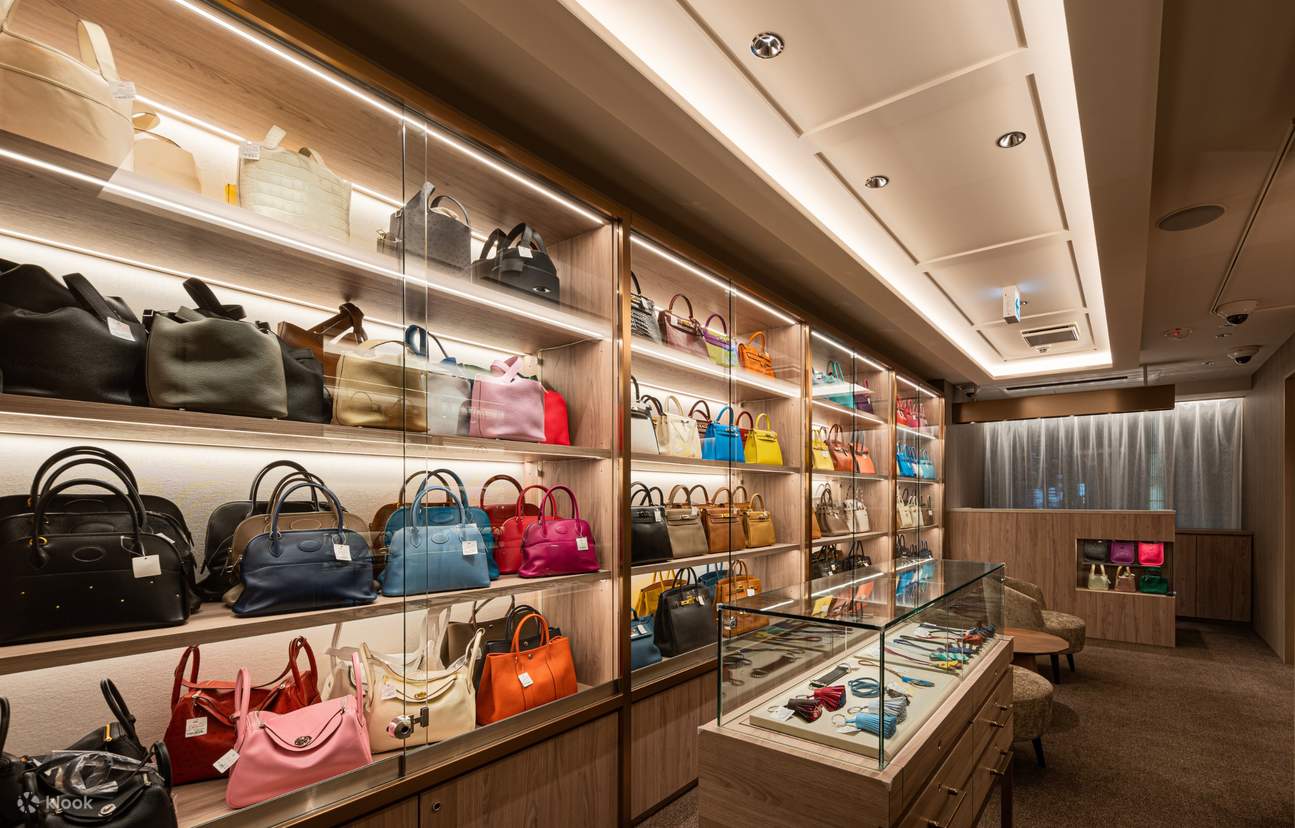
Luxury goods represent the pinnacle of human craftsmanship, elegance, and aspiration. From the regal treasures of ancient civilizations to the contemporary couture of iconic fashion houses, these objects of desire have transcended mere commodities to become symbols of wealth, status, and sophistication. In this comprehensive exploration, we embark on a journey 명품레플리카 through the opulent world of luxury goods, tracing their historical origins, examining their modern-day manifestations, and unraveling the complex tapestry of factors that shape this captivating industry.
Origins and Evolution:
The roots of luxury goods can be traced back to antiquity, where rulers and elites adorned themselves with precious jewels, fine textiles, and ornate artifacts as expressions of power and prestige. From the opulence of ancient Egypt to the refinement of Renaissance Europe, luxury has always been synonymous with wealth, taste, and cultural sophistication. The Industrial Revolution brought about a seismic shift in the production and consumption of luxury goods, as technological advancements and mass production techniques made them more accessible to a broader audience. The 20th century witnessed the globalization of luxury, with iconic brands like Hermès, Cartier, and Gucci captivating the imaginations of consumers worldwide.
The Psychology of Luxury:
The allure of luxury goods extends beyond their tangible attributes, tapping into deep-seated psychological desires and motivations. Research in psychology and consumer behavior has shown that luxury purchases are often driven by a desire for social status, self-expression, and emotional gratification. Whether it’s the thrill of owning an iconic handbag or the sense of exclusivity that comes with wearing a luxury timepiece, the allure of luxury lies in its ability to fulfill our deepest desires and aspirations.
Craftsmanship and Heritage:
At the heart of luxury goods lies an unwavering commitment to craftsmanship, heritage, and attention to detail. From the precision engineering of Swiss watches to the hand-stitched seams of Italian leather goods, each product is a testament to the skill and expertise of artisans and craftsmen. Many luxury brands take pride in preserving centuries-old traditions and techniques, ensuring that their products maintain the highest standards of quality and authenticity.
Challenges and Innovations:
Despite their enduring appeal, luxury goods face a host of challenges in the modern era, from ethical concerns surrounding sustainability and labor practices to the rise of digital disruption and changing consumer preferences. However, these challenges also present opportunities for innovation and reinvention within the industry. From the adoption of sustainable materials and production methods to the embrace of digital technology and experiential marketing, luxury brands are constantly evolving to meet the demands of a rapidly changing world.
Conclusion:
In conclusion, luxury goods represent the epitome of human creativity, craftsmanship, and aspiration. From their ancient origins to their modern-day incarnations, luxury goods continue to captivate and inspire consumers around the world. As the industry navigates the complexities of the 21st century, one thing remains clear: the allure of luxury will endure, shaping the way we define beauty, elegance, and indulgence for generations to come.
