
Using regular PVC pipe for electrical conduit is not recommended despite similar appearance. Regular plumbing PVC and electrical-grade PVC conduit are different materials. Understanding these distinctions prevents code violations and safety hazards. Industrial fittings designed for conduit don’t work with plumbing pipe. Learning the differences ensures proper material selection. This guide explains why regular PVC cannot substitute for electrical conduit.
Material Composition Differences
Regular PVC pipe is formulated for water distribution applications. Electrical-grade PVC conduit contains different additives for safety. The additives in PVC conduit provide fire-retardant properties. Regular PVC lacks these critical safety features. Material formulation affects performance characteristics fundamentally. Different purposes require different material compositions. Substituting materials compromises safety and code compliance.
Fire Safety Requirements
Electrical systems generate heat requiring fire-safe protection. PVC conduit meets strict fire safety standards. Fire testing confirms conduit performance under thermal stress. Regular PVC pipe fails fire safety tests. Electrical code requires fire-rated protection materials. Conduit ratings ensure adequate protection. Regular PVC cannot provide necessary fire protection. Safety standards exist for important reasons.
Testing and Certification
Electrical PVC conduit undergoes rigorous testing for safety. UL and other organizations certify conduit products. Certification verifies compliance with electrical standards. Regular PVC pipe lacks electrical certifications. Testing procedures differ between plumbing and electrical products. Certified products pass inspections reliably. Certification markings identify appropriate materials. Verification prevents inappropriate substitutions.
Code Violation Consequences
Building codes explicitly prohibit regular PVC for electrical conduit. Code inspectors reject non-compliant installations. Violations result in failed inspections requiring corrections. Costly rework becomes necessary after code violations. Non-compliance creates liability for property owners. Insurance may deny coverage for code violations. Professional electricians avoid these problems. Understanding codes prevents expensive mistakes.
Electrical Properties
Electrical-grade PVC conduit maintains proper insulating properties. Regular PVC pipe may have different electrical characteristics. Conduit protects cables adequately throughout service life. Regular pipe performance is unpredictable for electrical use. Proper material selection ensures long-term safety. Electrical performance depends on conduit quality. Professional installations use appropriate materials.
Temperature Considerations
Both materials handle different temperature ranges. Electrical-grade conduit tolerates heat from electrical systems. Regular PVC has different thermal properties. Operating conditions require proper material selection. Temperature stability affects long-term performance. Appropriate materials prevent failures. Proper selection ensures reliability.
Industrial Fittings Compatibility
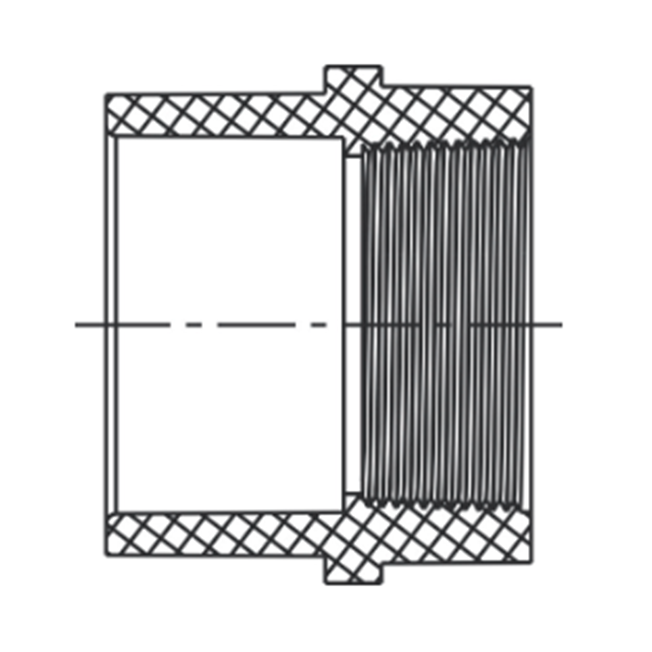
Electrical PVC conduit works with industrial fittings designed for it. Regular PVC pipe uses different fitting standards. Mixing incompatible components creates problems. Industrial fittings for conduit ensure proper function. Proper fittings maintain system integrity. Component compatibility is essential for reliability.
Cost Considerations
Electrical PVC conduit costs slightly more than plumbing pipe. Material cost differences are minimal. Installation corrections cost far more than proper materials. Quality materials prevent expensive mistakes. Saving money with the wrong materials backfires. Proper investment protects your system. Long-term value favors appropriate materials.
Professional Standards
Licensed electricians understand material requirements thoroughly. Professionals use only electrical-grade PVC conduit. Expert installation ensures code compliance. Professional work passes inspections reliably. Specialists know proper material selection. Professional installation protects your investment. Expert guidance prevents problems.
Identifying Correct Materials
Electrical PVC conduit carries specific labeling. Labels indicate electrical-grade materials clearly. Verification prevents purchasing mistakes. Ask suppliers specifically for conduit. Request proper documentation of materials. Correct identification ensures appropriate selection. Clear communication prevents errors.
Conclusion Regular PVC pipe cannot substitute for electrical-grade PVC conduit due to material differences, fire safety requirements, and code restrictions. Using appropriate electrical conduit ensures safety and code compliance. Professional consultation guides proper material selection for electrical installations. LESSO America is driven by purpose: to make healthy and sustainable living commonplace. Established over 30 years ago, LESSO is one of the world’s largest piping and building materials companies known for great brands and the belief that doing business the right way drives superior performance.
