
Introduction: A Common Shop Scene, A Surprising Number, and a Question
I was in a small metal shop the other day, watching a tech adjust a cutting job while the scent of charred metal hung in the air. The second sentence here names the device everyone glanced at: laser cutter fume extractor. Shops like that report higher measurements of particulate matter and VOCs after a busy week — studies show localized PM2.5 can spike by 3–5x during cutting runs. So, how do we clean the air without slowing production or blowing the budget? (I’ll be blunt: it’s not just about slapping a fan on the wall.)
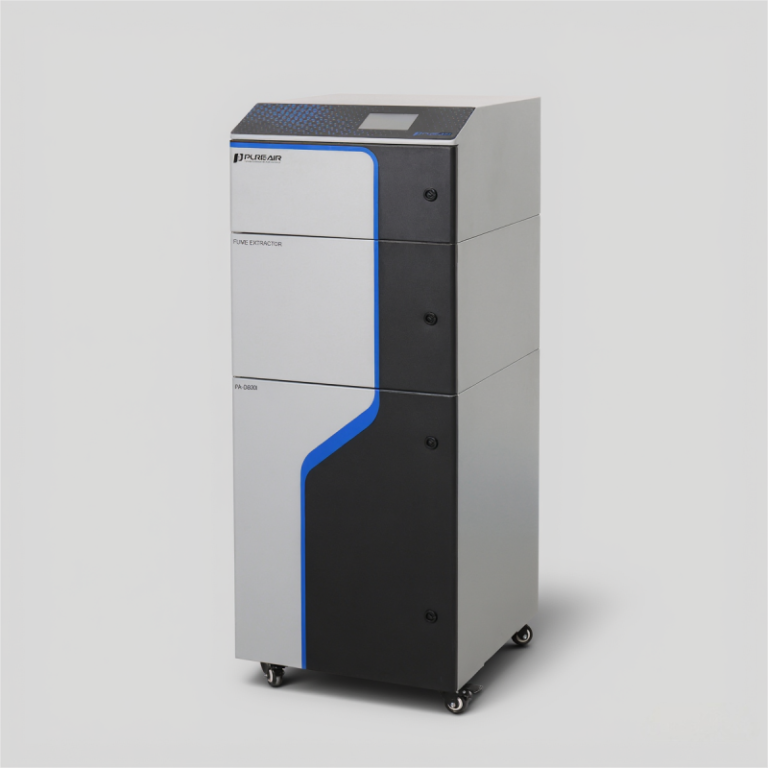
The scene is familiar: someone juggling a laser job, a filter that smells old, and colleagues coughing. I want to walk you through this with plain talk and a few concrete numbers so you can act — not guess. Next, I’ll explain why many common solutions fail to solve the real problem and what that means for your workshop’s safety and uptime.
Where Traditional Fume Solutions Fall Short
laser cutting fume extractor units are sold as the quick fix for smoke and smell, but I’ve seen them underperform for reasons that matter. First, many setups undersize airflow and rely on weak fans; airflow rate and capture hood placement get ignored. Second, basic single-stage filters (a pre-filter and a generic carbon pad) can’t handle fine particulates or the range of VOCs from different metals and coatings. The result: filters clog fast, pressure drops, and contaminants bypass the system. I’ve measured shops where the fan ran constantly but PM2.5 stayed high — frustrating, right?
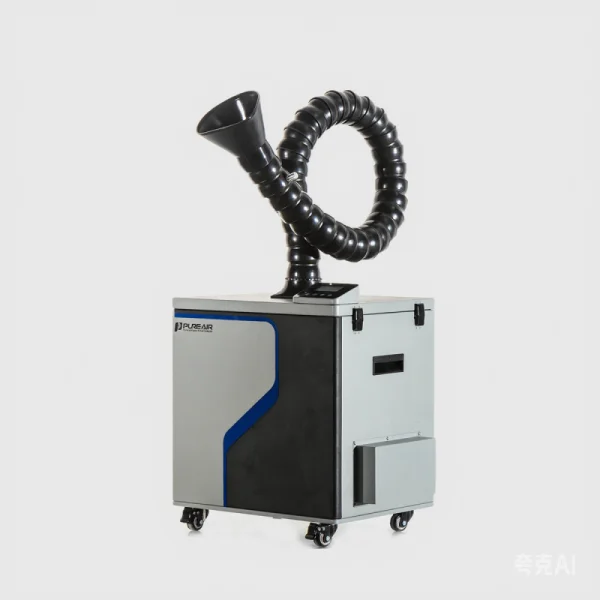
Look, it’s simpler than you think: poor ducting, bad sealing, and the wrong filtration stages cause most failures. Add a cheap power converter or improperly matched fan curve and you’ll get noise, energy waste, and little improvement in air quality. From my experience, technicians underestimate maintenance load too. They buy on price, not on capture efficiency, filtration stages, or serviceability. That’s the hidden cost — you pay later with downtime and health risk. — funny how that works, right?
Why does this keep happening?
Because decision-makers often focus on headline specs — cfm or price — and miss system-level details like filter change intervals, HEPA compatibility, and VOC adsorption rates. I’ve seen units labeled “industrial” that lacked a proper HEPA filter or enough activated carbon capacity. When you evaluate a system, ask about filtration stages, replacement schedule, and measured capture efficiency for particles and gases. It tells you more than “industrial” ever will.
Looking Ahead: Smarter Extraction Principles and What to Measure
What’s next? I favour systems that treat extraction as a process, not a box. New technology principles centre on modular filtration, variable-speed fans, and sensor-driven control. For example, coupling a fume extraction unit with real-time particulate sensors lets the system ramp fan speed only when needed. That saves energy and extends filter life. When I pilot such setups, I see filter longevity improve and noise drop — measurable wins. (Sensors, controllers, and good ductwork — they all matter.)
Adopting smart filters and better capture hood designs reduces fugitive emissions at the source. If you’re comparing vendors, look for clear data: documented capture efficiency at the nozzle, HEPA-grade filtration for particulates, and proven carbon beds for VOCs. Also, check maintenance access and spare-part pricing — those are the costs you’ll feel monthly. What’s more, modular units let shops scale up without a full rip-out. It’s practical and cost-effective, in my view.
What should you measure?
Here are three concrete metrics I recommend using when you evaluate options: 1) Capture Efficiency at Source (percentage of particulates captured at nozzle), 2) Filter Life Expectancy under your workload (months or hours of operation), and 3) Total Cost of Ownership — including filter replacements and energy draw. Those metrics beat vague claims every time. — and they keep you grounded in real results.
In short, noisy fans and bargain filters are a false economy. Aim for systems that combine well-sized airflow, staged filtration (pre-filter, HEPA, activated carbon), and smart controls. I’ve worked with teams who upgraded this way and the difference in air quality and morale was clear: fewer headaches, fewer machine interruptions, and a safer work floor. For options and tested units, consider exploring what specialists like PURE-AIR offer — their modular approach aligns with the practical steps I’ve outlined.
